Nvidia CEO Jensen Huang, an Alleged Spy, and What the Timeline Means for AI Developers
A reported timeline links Nvidia CEO Jensen Huang to an alleged Chinese spy, raising questions about AI hardware supply chains, export controls, and API risk.
What the report actually says
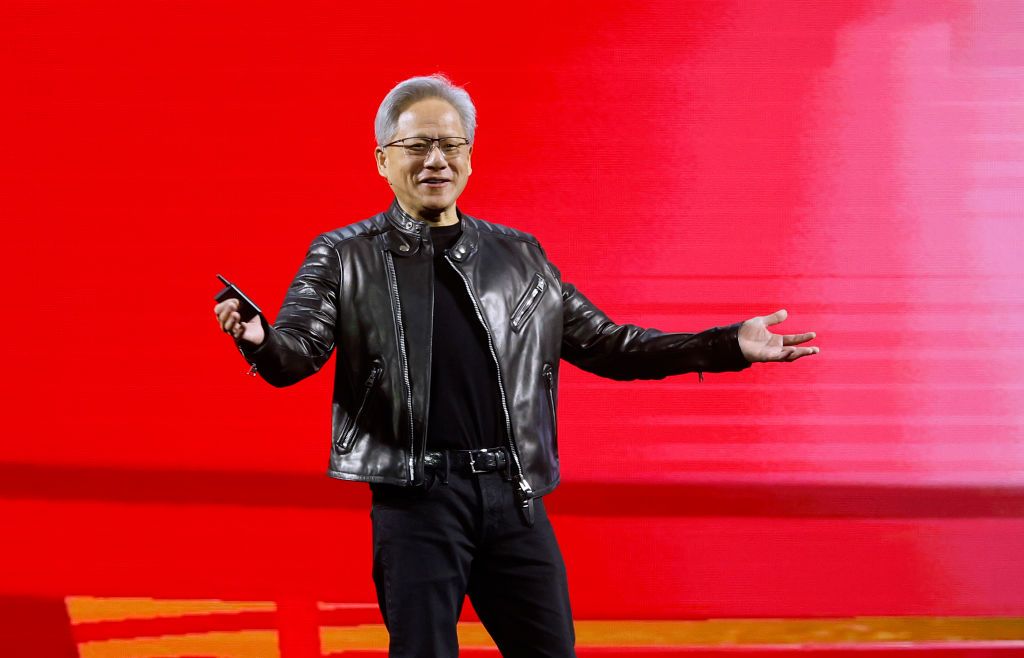
TechCrunch's piece is structured as a timeline, walking readers through the sequence of events around an alleged affair between Nvidia's chief executive and a person the outlet describes as a Chinese spy. The article frames the matter as more than a personal scandal, arguing it could have national security ramifications given how central Nvidia hardware is to the AI buildout.
It is worth being precise about what this is: a news report making claims, not a court finding. The allegations concern individuals, and the national security angle is the outlet's assessment of potential consequences rather than a documented breach. Treat the timeline as reported information that will likely evolve as more reporting emerges.
Why a CEO story touches national security
Nvidia sits at the center of the AI supply chain. Its accelerators underpin most large-scale model training and inference, and export controls on advanced chips are a core instrument of U.S. policy toward China. That makes the company's leadership a legitimate subject of security scrutiny in a way that would be unusual for most firms.
If an alleged foreign intelligence connection near a CEO were substantiated, the concerns would be about information flow, roadmap visibility, and influence over allocation decisions, not about chips themselves. None of that has been established publicly. The more immediate effect is likely to be political and regulatory attention on Nvidia and on how the U.S. governs AI hardware exports.
What developers should actually watch
For teams building on LLM APIs, the Huang story matters only through second-order effects. The first is supply: any escalation in scrutiny or policy could shift GPU allocation, pricing, or availability for cloud providers, which eventually shows up in API rate limits and per-token costs. The second is compliance: export-control changes can alter which models and providers are legally usable in which regions.
The vendor-neutral lesson is to avoid single points of dependency. If your stack assumes one accelerator vendor's roadmap or one cloud's capacity, geopolitical noise around that vendor is your operational risk. Multi-provider abstraction, per-provider fallbacks, and cost monitoring are cheap insurance against exactly this kind of headline-driven volatility.
Separating signal from speculation
Scandals involving prominent executives generate a lot of confident commentary with little verified substance. A timeline article is useful for orientation but is not evidence of wrongdoing by any party. Developers making infrastructure decisions should weight confirmed policy changes, published pricing, and contractual terms far above unverified reporting about individuals.
The reasonable posture is to monitor official channels, such as export-control announcements and provider status pages, and to avoid re-architecting around rumors. If the story develops into concrete regulatory action, that will be visible in policy documents long before it is visible in your latency graphs.
FAQ
Does this affect Nvidia's chips or AI APIs directly?
Should I change my LLM provider because of this story?
What is the actual national security concern?
References
Call these models through one gateway
Admesh provides a unified OpenAI-compatible API: one Base URL and one key for Claude, GPT, DeepSeek and more. New accounts get trial credit that never expires.