Jensen Huang and the Showman Founder: What Nvidia's CES Moment Means for Builders
Nvidia's Jensen Huang has become tech's biggest stage performer. Here is what the showman era of founder CEOs means for teams building on LLM APIs.
Why the keynote became the product
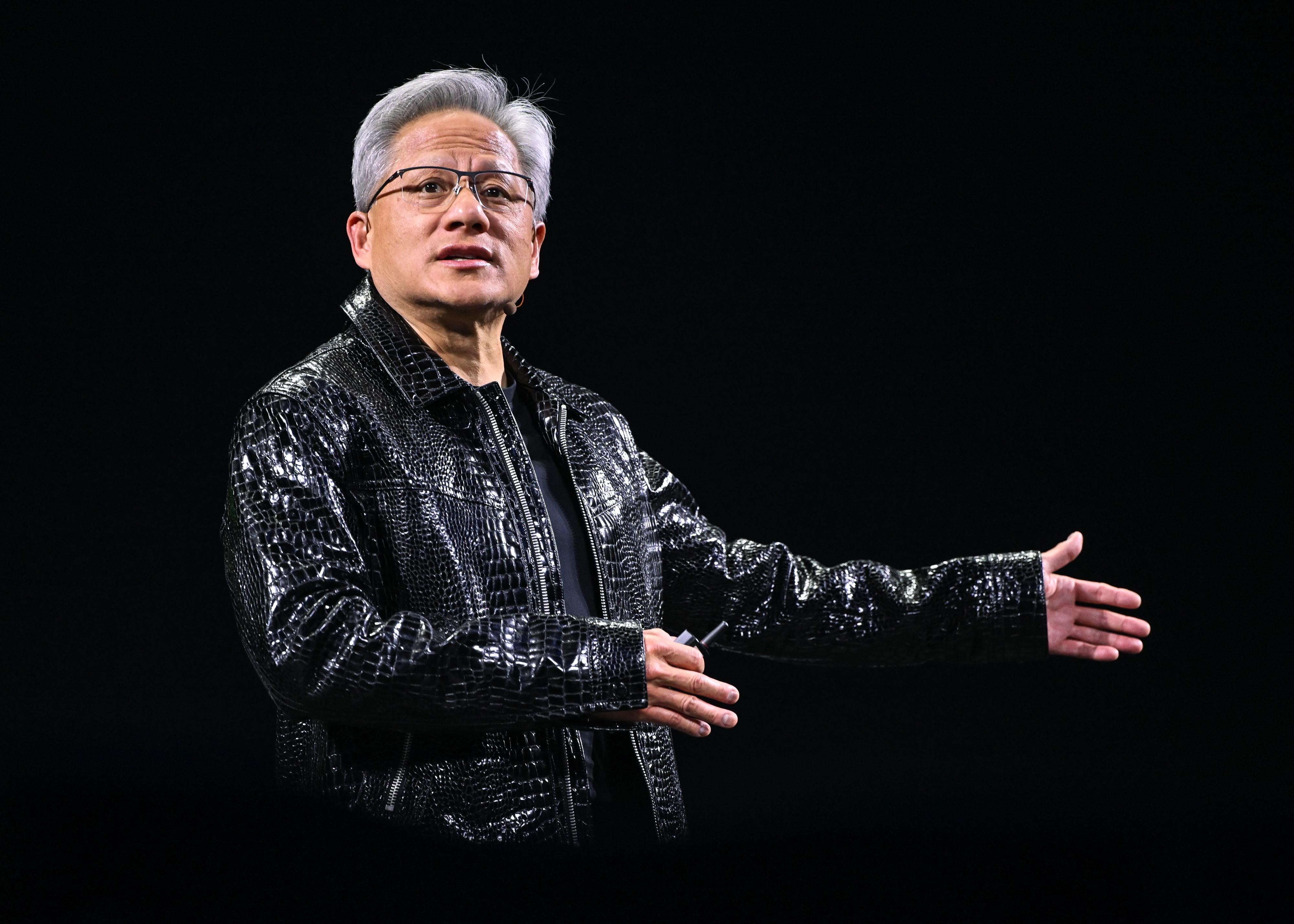
For years, developer conferences were mostly engineering briefings. The Verge's account of Huang's CES entrance, complete with a leather jacket and a cheering arena, shows how far that has shifted. The keynote is now part of the product: it sets expectations, shapes sentiment, and can move markets before a single benchmark is published.
That matters for anyone choosing infrastructure. When a platform's direction is communicated largely through one charismatic leader, the narrative and the roadmap can blur. Developers end up parsing stage rhetoric for signals about pricing, availability, and deprecation timelines.
The concentration risk nobody prices in
A founder-led company can move fast because decisions do not need consensus. The same structure creates key-person risk. If strategy, partnerships, and public trust are anchored to one figure, a change in that figure's role is a material event for the ecosystem around it.
For teams building on LLM APIs, this is a practical concern rather than a philosophical one. Ask whether your provider's commitments are documented in contracts and changelogs or mostly in keynotes. The former survives a leadership transition; the latter may not.
What the decline of the showman means
The Verge's thesis is that the showman founder is losing cultural currency. If that holds, expect more understated launches and more emphasis on published benchmarks, SLAs, and developer documentation. That is arguably better for engineers, who can compare specs instead of personalities.
It also raises the bar for vendors. A quiet launch only works if the underlying numbers are strong and verifiable. Otherwise the absence of spectacle just means the absence of information.
Practical guidance for API teams
Treat any single-vendor narrative with caution. Keep an abstraction layer thin enough to swap models, track latency and cost per provider, and store evaluation sets you can rerun when a new model ships. These habits pay off whether the next big announcement comes from a stage or a changelog.
Watch the boring artifacts too: deprecation notices, rate-limit policies, and status pages. They reveal more about a platform's reliability than any keynote. If a vendor's public communication is mostly personality-driven, ask harder questions in writing.
The bottom line
Huang's arena moment is a useful symbol of an era when conviction and charisma sold infrastructure. The reported shift away from that style does not make founders irrelevant; it makes documentation, benchmarks, and contractual clarity the real differentiators. Build accordingly.
FAQ
Does this mean Nvidia is in trouble?
How should developers respond to personality-driven vendor messaging?
Why does founder showmanship matter for API buyers?
References
Call these models through one gateway
Admesh provides a unified OpenAI-compatible API: one Base URL and one key for Claude, GPT, DeepSeek and more. New accounts get trial credit that never expires.