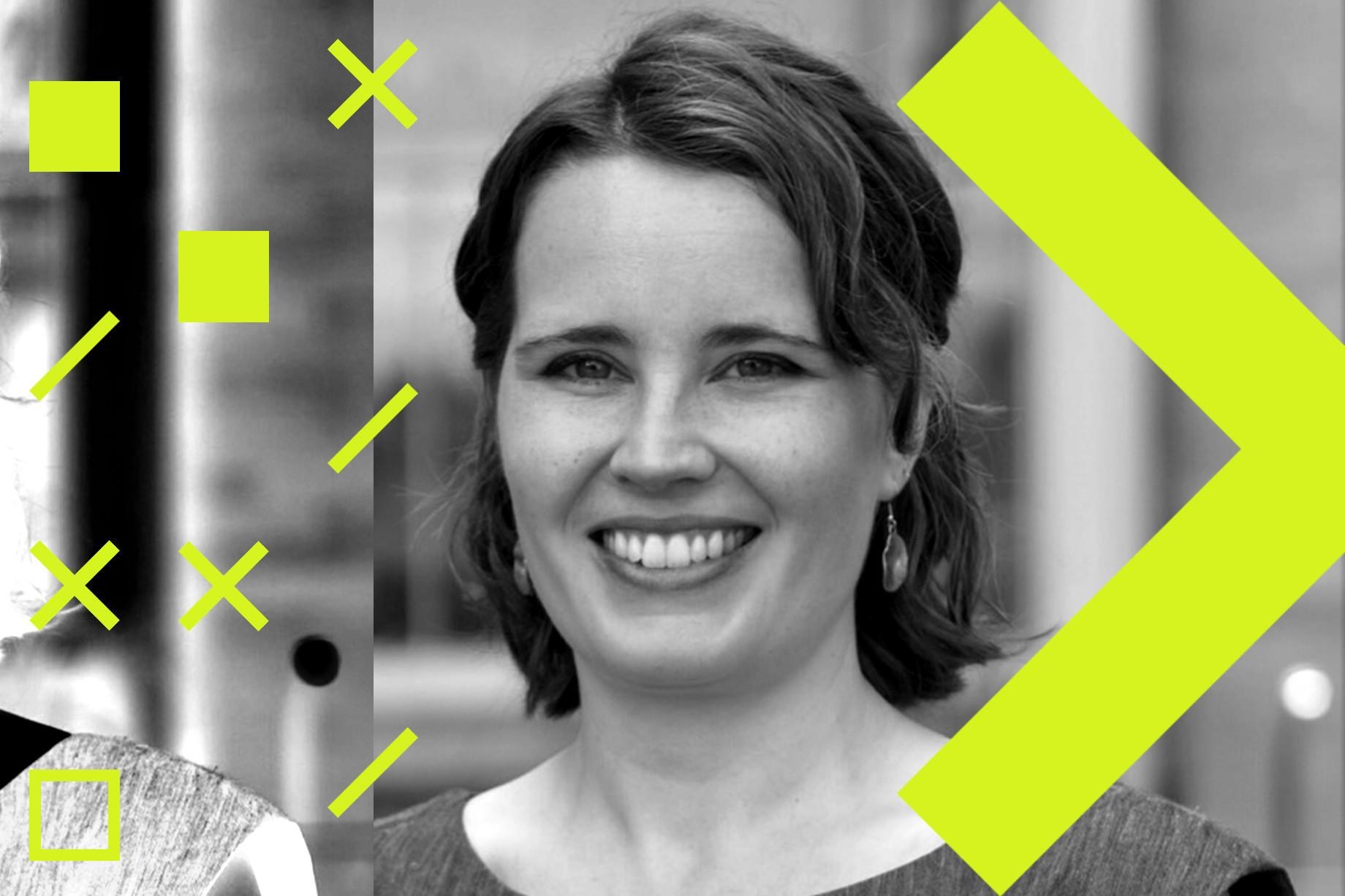
Helen Toner on Why AI CEOs Still Need Outside Scrutiny
Helen Toner, the OpenAI board member involved in Sam Altman's ouster, argues AI leaders should not be trusted to police themselves. What that means for builders
What to watch next
Expect continued scrutiny of how AI labs disclose model changes, safety incidents, and evaluation results. For builders, the signal to track is transparency: published model cards, changelogs, deprecation notices, and incident reports. Providers that document these well make it cheaper for you to trust them responsibly, which is a better basis for a dependency than a founder's assurances.
FAQ
Who is Helen Toner?
She is executive director of Georgetown's Center for Security and Emerging Technology and a well-known voice in AI safety and policy. She is best known publicly for serving on OpenAI's board during the period when Sam Altman was removed and then reinstated as CEO.
Does this mean developers should avoid OpenAI or other closed APIs?
Not necessarily. The reported argument is about governance and trust, not a technical verdict on any provider. The practical takeaway is to reduce single points of trust by abstracting providers, logging model versions, and documenting what you have verified versus assumed.
How can I make an LLM API dependency more resilient?
Wrap model calls in an internal interface, pin versions where possible, keep an evaluation set to catch behavior changes, log requests and responses, and maintain a tested fallback to a second provider for critical paths.
References
Call these models through one gateway
Admesh provides a unified OpenAI-compatible API: one Base URL and one key for Claude, GPT, DeepSeek and more. New accounts get trial credit that never expires.