
Trump's Philippines AI Hub Plan: What It Means for API Developers
A reported US-Philippines deal would tie chip and data center investment to AI export rules. Here is what developers should watch.
What was actually announced
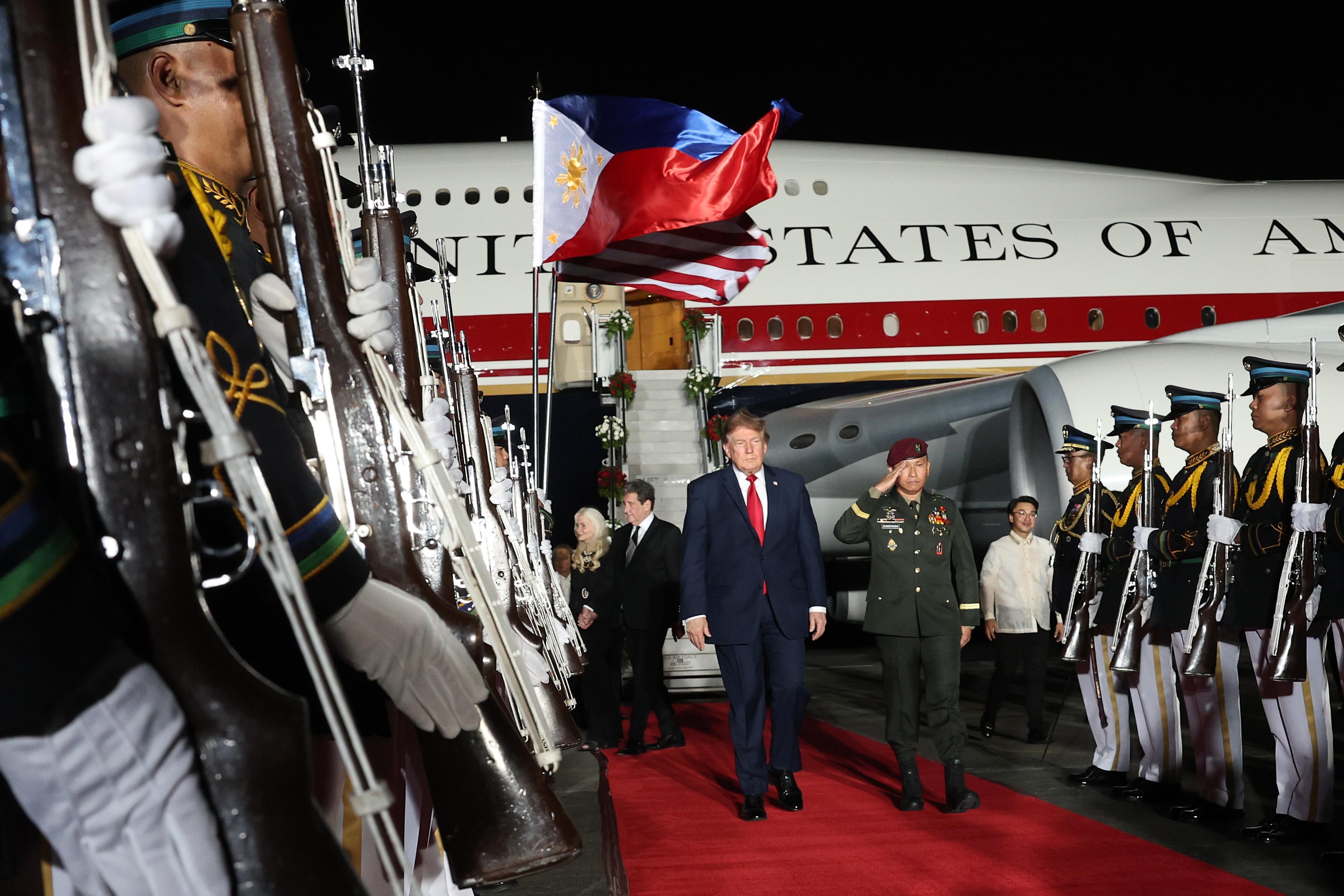
According to The Verge, the visit was packaged around an AI hub in the Philippines that would involve semiconductor supply and data center capacity. The framing suggests Washington wants to anchor AI infrastructure in allied countries rather than leave buildout to private capital alone.
What is not clear is the concrete shape of the deal. The source material does not name specific chipmakers, cloud providers, or investment amounts, and it does not describe a signed agreement with enforceable terms. Until those details surface, treat the announcement as directional.
Why export policy sits at the center
AI infrastructure deals are rarely just about construction. Advanced accelerators are subject to export controls, and any hub built with US involvement will likely carry conditions about who can operate the hardware and under what rules. That makes the Philippines project as much a policy instrument as an economic one.
For developers, the practical question is whether compute hosted in such a hub would be reachable by regional teams without unusual compliance friction. Historically, export rules have shaped which cloud regions offer which GPU classes, and that in turn affects which model providers can serve customers from those regions.
The developer angle: latency, residency, and vendor choice
If a Philippines-based hub materializes, Southeast Asian developers could see lower-latency inference for regional workloads and more options for data residency. That matters for teams in fintech, healthcare, and public-sector adjacent work where data location is a procurement requirement rather than a preference.
The counterpoint is concentration risk. A hub built around a single geopolitical arrangement may come with usage conditions, pricing structures, or hardware generations that differ from what is available in Singapore, Tokyo, or US regions. Teams that hard-code one provider or one region inherit that risk.
How to prepare without overreacting
The sensible response is architectural, not speculative. Keep model access behind an abstraction layer so that swapping providers or regions is a configuration change. Track where your inference actually runs, and document the data residency posture of each endpoint you depend on.
Also watch pricing and rate-limit behavior in the region. New capacity often arrives with introductory economics that shift once utilization rises. Budget for that drift rather than assuming launch pricing holds.
Finally, treat policy announcements as leading indicators with long lag times. Infrastructure buildouts take years, and export frameworks get revised. Build for flexibility now and revisit assumptions when named partners and terms are published.
FAQ
Does this mean cheaper AI inference in Southeast Asia soon?
Will developers outside the Philippines be affected?
Should teams change their architecture now?
References
Call these models through one gateway
Admesh provides a unified OpenAI-compatible API: one Base URL and one key for Claude, GPT, DeepSeek and more. New accounts get trial credit that never expires.