Signal's Screenshot Limits Signal a New Front in the AI Surveillance Debate
Signal is reportedly restricting screenshots in its mobile apps, framing AI-driven surveillance as an existential threat. What it means for developers.
What Signal Is Actually Changing
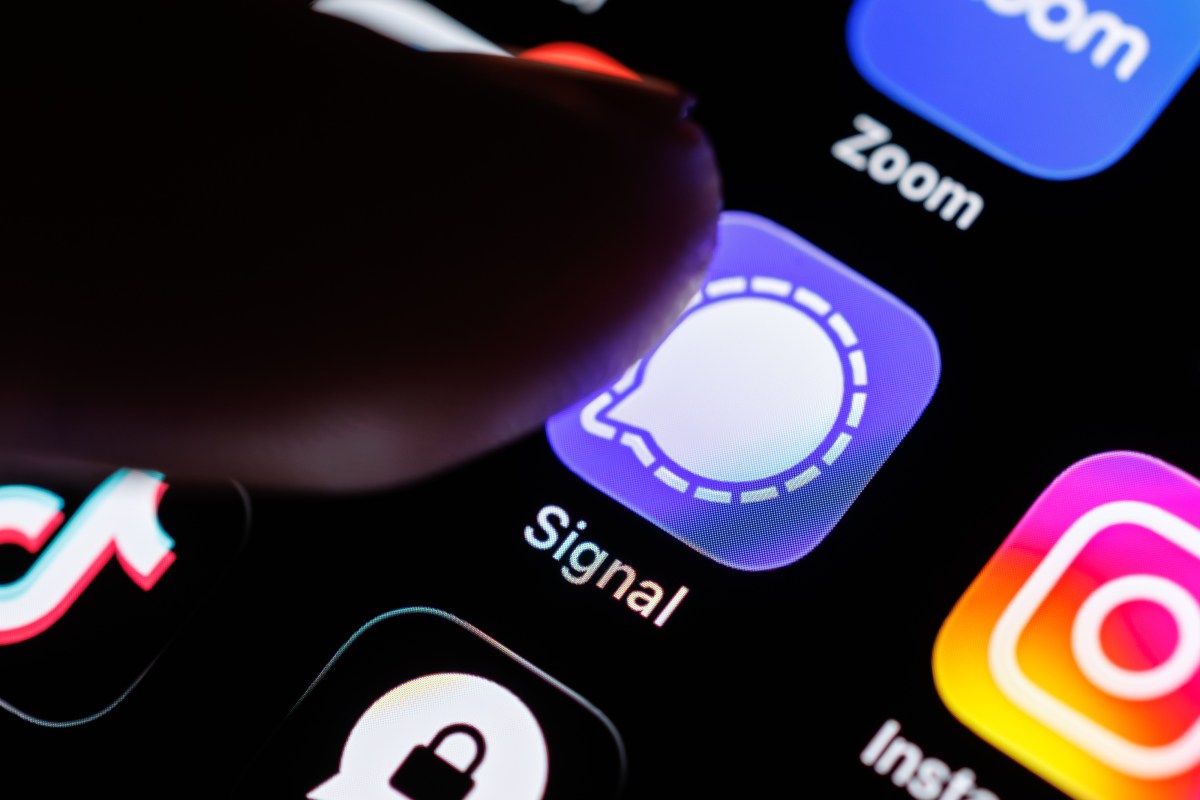
According to TechCrunch, Signal is curtailing screenshot functionality across its Android and iOS applications. On many mobile platforms, apps can request that the OS block or flag screen captures for sensitive screens, and it appears Signal is leaning on that capability more aggressively.
It is important to separate this from Signal's core cryptography. The protocol itself is unchanged; what is shifting is the client-side surface area where content can leak out of the app. Screenshots are one of the oldest and simplest exfiltration paths, and they sit outside the encrypted channel entirely.
Why AI Surveillance Raises the Stakes
Signal has characterized AI surveillance as an existential threat, per the report. That framing matters: automated vision models can now ingest screenshots, screen recordings, and on-device captures at scale, turning a single careless capture into structured, searchable data.
For privacy-focused products, the threat model has expanded. It is no longer just a compromised server or a malicious contact; it is the pipeline that turns pixels into training data or intelligence. Blocking the capture step is a blunt but defensible mitigation.
The Limits of Client-Side Controls
Screenshot blocking is inherently best-effort. Users can photograph a screen with another device, run modified clients, or use accessibility tooling. Developers should treat such controls as friction that raises cost and signals intent, not as a hard guarantee.
There is also a usability tradeoff. Screenshots are how people share context, report abuse, and archive receipts. Restricting them may frustrate legitimate users, so expect platforms to iterate on partial restrictions, warnings, or per-conversation settings rather than a blanket ban.
What This Means for LLM API Builders
If you are building applications on top of LLM APIs, the Signal story is a reminder that input capture is a privacy boundary. Any feature that accepts screenshots, clipboard contents, or screen recordings should have an explicit consent model and a clear retention policy.
Vendor-neutral practice: minimize what you send to inference endpoints, redact before upload where possible, and log metadata rather than raw pixels. If your product touches messaging data, assume users will ask whether captures are blocked and where the data flows after it leaves the device.
A Broader Platform Trend
Signal is not alone in tightening capture behavior. Messaging and enterprise apps have increasingly used OS-level flags to protect sensitive views. The direction of travel is toward treating the screen itself as an attack surface.
For teams shipping mobile clients, this is worth watching. Platform APIs for capture prevention differ across Android and iOS, and behavior can change between OS versions, so test on real devices rather than assuming uniform support.
FAQ
Does this change Signal's end-to-end encryption?
Can users still capture Signal conversations?
How should LLM app developers respond?
References
Call these models through one gateway
Admesh provides a unified OpenAI-compatible API: one Base URL and one key for Claude, GPT, DeepSeek and more. New accounts get trial credit that never expires.