
Reported China Espionage Case Involving an AI Executive: What It Means for Nvidia Chip Access and API Builders
A reported New York Times story claims China recruited a Megaspeed executive to gather information on Nvidia and its CEO. Here is what it could mean for AI infr
What the report actually says
According to The Verge, citing The New York Times, China's Ministry of State Security recruited a Megaspeed executive named Alice Huang. The reported assignment involved collecting information about American AI chips and, in the words of the report, potentially influencing Nvidia to push for its most advanced chips to be made available to China.
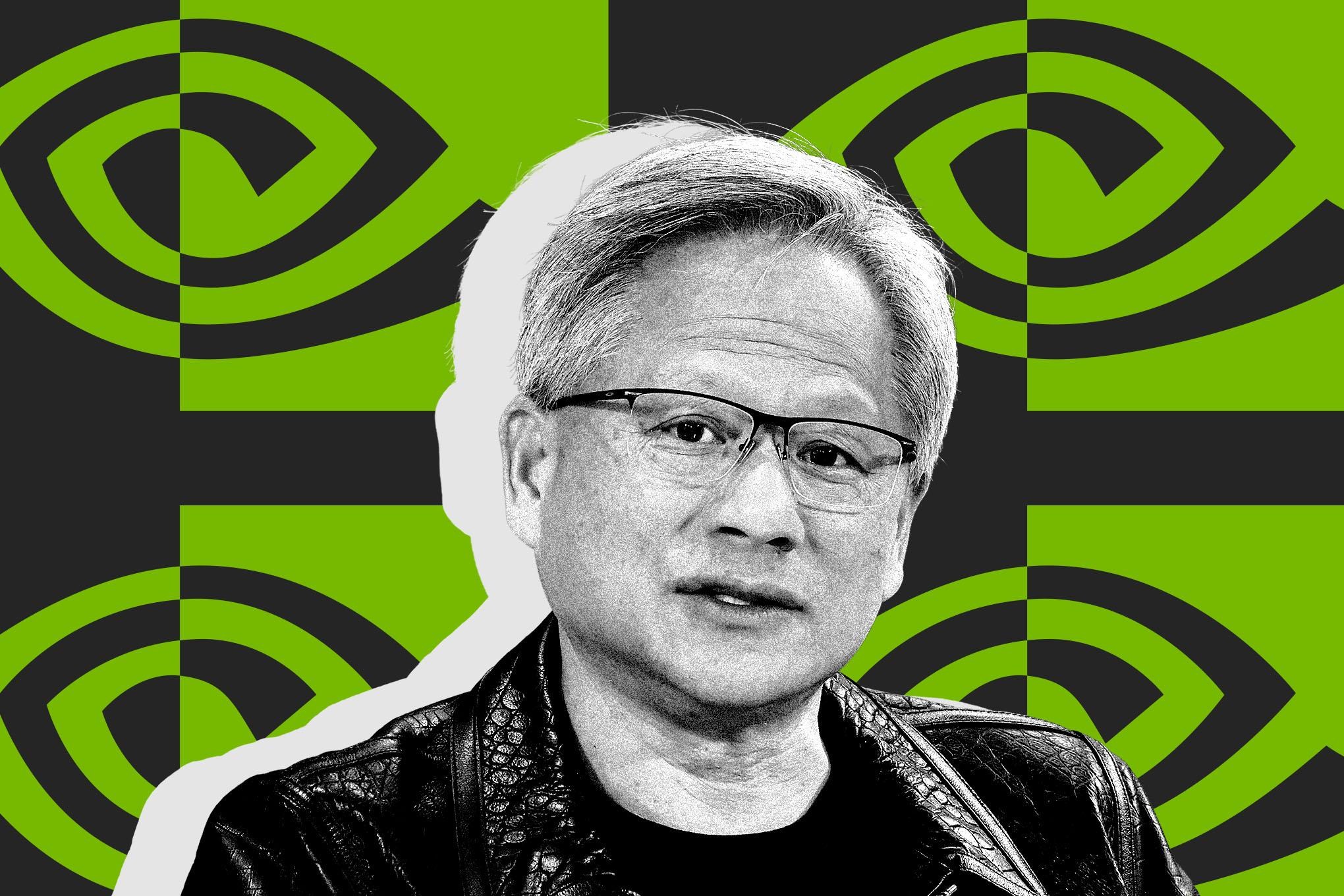
The story frames Nvidia CEO Jensen Huang as the central figure of interest. It is important to note that these are reported allegations from a single news account, not confirmed findings. Readers should treat the details as claims under reporting rather than established fact.
Why chip access is the real story
The underlying tension is not new: advanced AI accelerators sit at the center of export-control debates between the US and China. What the report suggests, if accurate, is that the contest over hardware access may extend beyond policy lobbying into intelligence gathering.
For the AI industry, the practical question is supply. The most capable models are trained and served on high-end GPUs, and any restriction or change in how those chips reach different markets affects pricing, availability, and the geographic distribution of compute. That, in turn, shapes what API providers can offer and at what cost.
What this means for developers building on LLM APIs
Most application developers never touch a GPU directly, but they inherit the consequences of hardware geopolitics. If export controls tighten or supply shifts, expect ripple effects in API pricing, rate limits, and model availability across regions. Providers that depend on a narrow set of accelerators are more exposed to these shocks.
A vendor-neutral mitigation is to avoid hard-coding a single provider. Abstract your model calls behind a thin internal interface, keep prompts and evaluation suites portable, and test fallback models regularly. Aggregation layers can help here by letting you route requests across providers without rewriting application logic.
Also watch data-residency and compliance requirements. If a provider's infrastructure or ownership becomes subject to scrutiny, your own contractual and regulatory obligations may change. Document where inference happens and keep the ability to switch regions or vendors on short notice.
The broader trust and scrutiny trend
This reported case fits a wider pattern of heightened scrutiny around AI supply chains, corporate relationships, and cross-border talent. Companies operating in the AI infrastructure space increasingly face questions about who their partners are and where their technology flows.
For buyers of AI services, that argues for diligence: understand your provider's hardware dependencies, ask about redundancy, and prefer architectures that degrade gracefully when a single link in the chain is disrupted. None of this requires assuming the worst about any particular company; it is simply prudent engineering.
FAQ
Has the reported espionage allegation been confirmed?
Does this affect Nvidia's chips or API pricing directly?
How should developers prepare for hardware-driven supply shocks?
References
Call these models through one gateway
Admesh provides a unified OpenAI-compatible API: one Base URL and one key for Claude, GPT, DeepSeek and more. New accounts get trial credit that never expires.