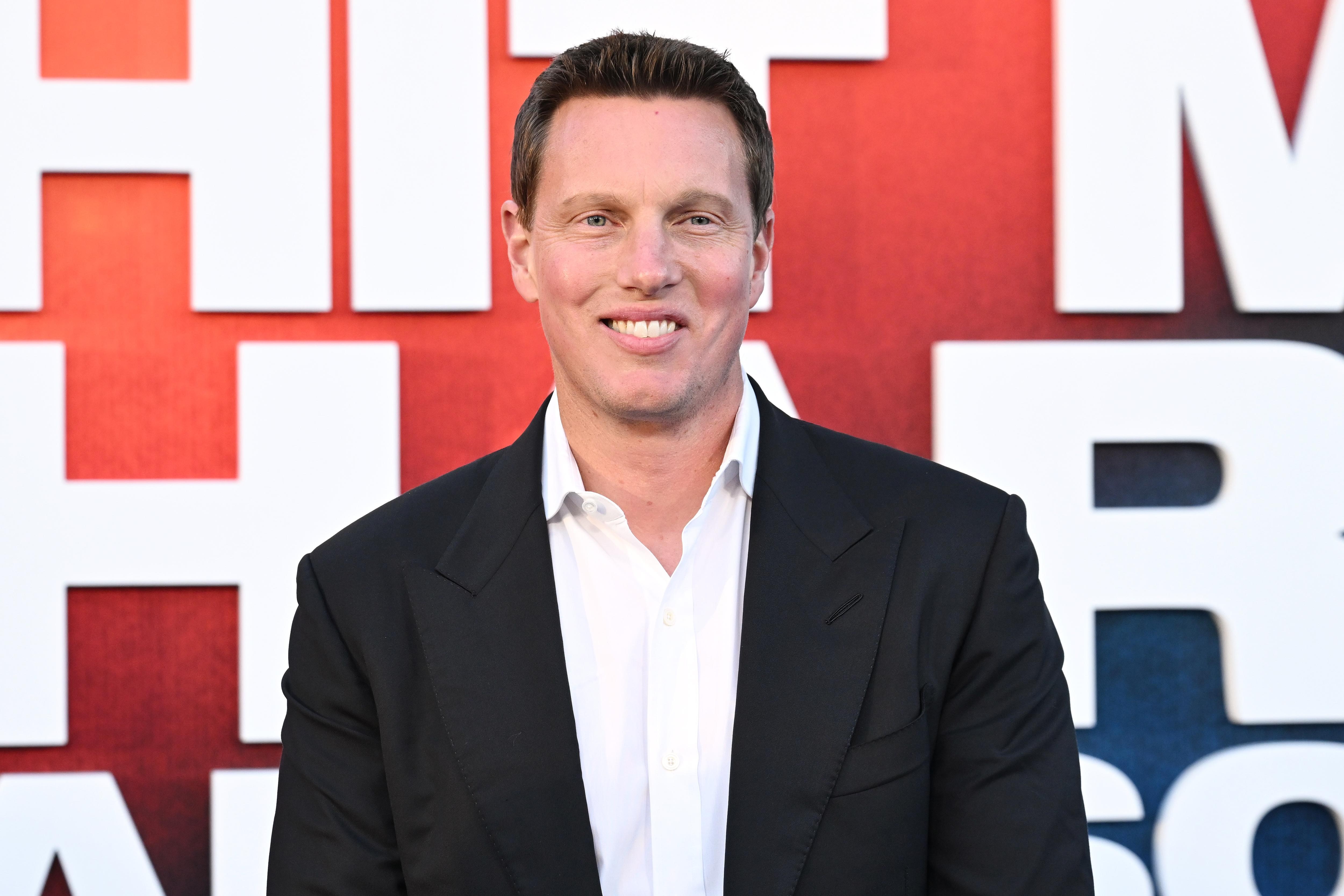
Paramount Skydance CEO David Ellison Calls AI the Biggest Creative Unlock in Modern History
David Ellison says AI could reshape film production more than CGI did, as Paramount Skydance weighs what the technology means for its pipeline.
What Ellison actually said
Speaking on Paramount Skydance's earnings call, CEO David Ellison was asked about how the company views AI. His answer leaned optimistic: he reportedly said it is hard to imagine the technology will not have a larger effect on filmmaking than CGI did, and described AI as potentially the biggest creative unlock in modern history.
He also tied the opportunity to production, suggesting the impact should be judged by what happens on set and in the pipeline rather than by hype alone. The remarks were reported by The Verge.
Why the CGI comparison matters
CGI is a useful benchmark because it moved from a novelty to a standard part of production over a couple of decades, changing budgets, workflows and even which stories get told. Comparing AI to that arc implies Ellison expects gradual, structural change rather than an overnight replacement of creative labor.
For anyone building tools in this space, the comparison is also a reminder that adoption is decided by production teams, not by model benchmarks. A tool that saves a render cycle or speeds up previz can win; one that disrupts a trusted workflow usually does not.
The studio angle for API builders
Studios evaluating AI are effectively evaluating vendors. They care about rights and provenance of training data, predictable output quality, and whether a model can be swapped without rewriting a pipeline. That favors architectures where the model is a replaceable component behind a stable interface.
Cost predictability matters too. Film work is bursty: heavy demand during pre-production and post, quiet stretches in between. Teams that route requests across multiple providers, or fall back when one is rate-limited, tend to absorb those spikes better than single-vendor setups.
What to watch next
Ellison's comments are a statement of intent, not a roadmap. There is no public detail yet on which parts of Paramount Skydance's production process might use AI, or what guardrails the company plans. Treat the earnings-call language as directional.
The practical signal for developers is that major media buyers are now discussing AI in the same breath as established production techniques. That raises the bar for reliability, auditability and clear licensing terms in any tool pitched at entertainment workflows.
A vendor-neutral checklist
If you are building for media customers, start with logging and reproducibility: every generated asset should be traceable to a model, version and prompt. Keep a provider abstraction layer so a model deprecation does not become a product outage.
Then pressure-test latency and cost under realistic batch sizes, and document how your system handles content filters and rights questions. Studios will ask, and a clear answer is often more persuasive than a higher benchmark score.
FAQ
Did David Ellison announce specific AI products or partnerships?
Does this mean Paramount Skydance is replacing creative staff with AI?
Why should API developers care about studio earnings calls?
References
Call these models through one gateway
Admesh provides a unified OpenAI-compatible API: one Base URL and one key for Claude, GPT, DeepSeek and more. New accounts get trial credit that never expires.