
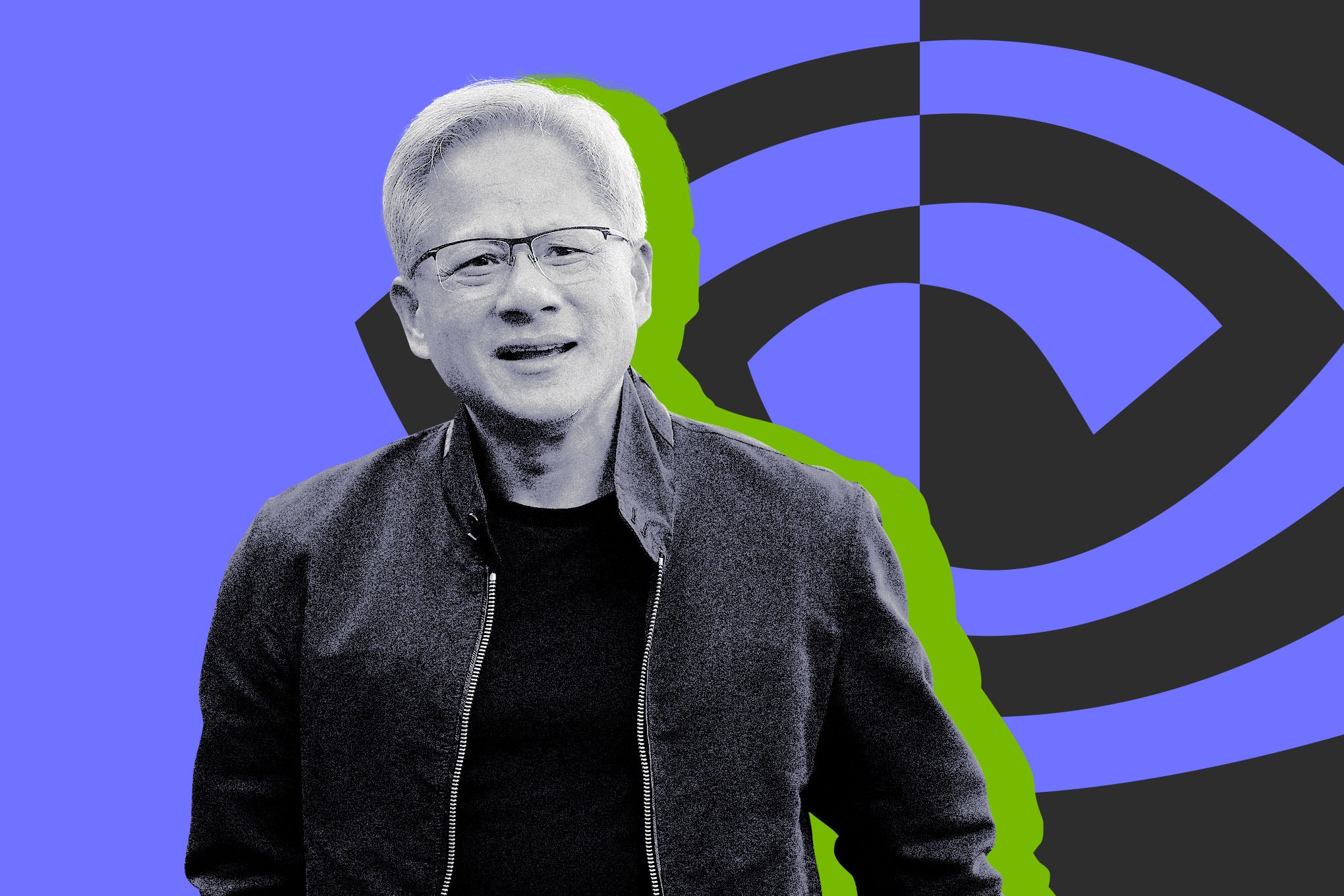
Nvidia's Q3 Earnings: The Numbers Land, the Leadership Question Lingers
Nvidia reported Q3 results without addressing Jensen Huang's departure up front, as the board said it does not intend to reinstate him.
What the Earnings Call Actually Covered
Nvidia's Q3 update arrived with the usual structure: a financial release followed by an earnings call. Interim CEO Colette Kress led the presentation, according to The Verge, and the opening portion did not touch on former CEO Jensen Huang, the circumstances of his departure, or the possibility of a return.
That silence did not hold for long. Board chair Harvey Jones opened the call by stating that the board does not intend to reinstate Huang, the report says. The sequence matters: the company let the business results stand on their own before addressing the governance question that has clearly been circulating.
Why the Board Statement Is the Real Headline
For a company whose products sit underneath a large share of the AI infrastructure buildout, leadership continuity is not an abstract concern. Developers and platform teams make multi-year commitments to GPU capacity, CUDA tooling, and inference pipelines. Any signal of internal instability at the vendor layer ripples outward into procurement and roadmap planning.
The board's statement, as reported, is a deliberate attempt to remove that ambiguity. Whether it succeeds depends on how markets and partners read the gap between the financial results and the personnel story. The Verge's framing suggests the two threads were handled separately, which is itself a communication choice worth noting.
What This Means for Teams Building on Nvidia Hardware
The practical takeaway for most engineering organizations is that nothing in the reported earnings changes the near-term technical picture. If you are running inference on Nvidia GPUs or planning capacity around them, the relevant questions remain the same: pricing, availability, and the stability of the software stack you depend on.
That said, governance uncertainty is a legitimate input to vendor risk assessment. Teams that have concentrated workloads on a single accelerator vendor should already be tracking roadmap commitments and support terms. Events like this are a reminder to keep those reviews on a schedule rather than reacting to headlines.
For teams that route LLM traffic through aggregation layers or multi-provider APIs, the hedge is structural. Abstracting the compute and model layer behind a consistent interface means a single vendor's internal drama does not immediately become your incident.
The Missing Detail: What We Still Do Not Know
The source does not include the actual Q3 figures, guidance, or the specifics of Huang's departure. Claims about a possible return attempt are reported rather than confirmed, and the board's statement is the only on-record position cited. Readers should treat the governance narrative as developing.
What is clear is the order of operations: results first, personnel second. Companies rarely choose that sequence by accident. It usually reflects a judgment that the numbers can carry the message and that the leadership question is better answered once, definitively, than left to speculation.
FAQ
Did Nvidia's Q3 earnings miss expectations?
Is Jensen Huang returning as CEO?
Should developers change their Nvidia plans because of this?
References
Call these models through one gateway
Admesh provides a unified OpenAI-compatible API: one Base URL and one key for Claude, GPT, DeepSeek and more. New accounts get trial credit that never expires.