Nvidia's Jensen Huang Memo: What Developers Should Take Away
Nvidia reportedly opened an investigation into CEO Jensen Huang's relationship with an AI executive, and Huang sent staff a memo. What it means for API builders
What the report actually says
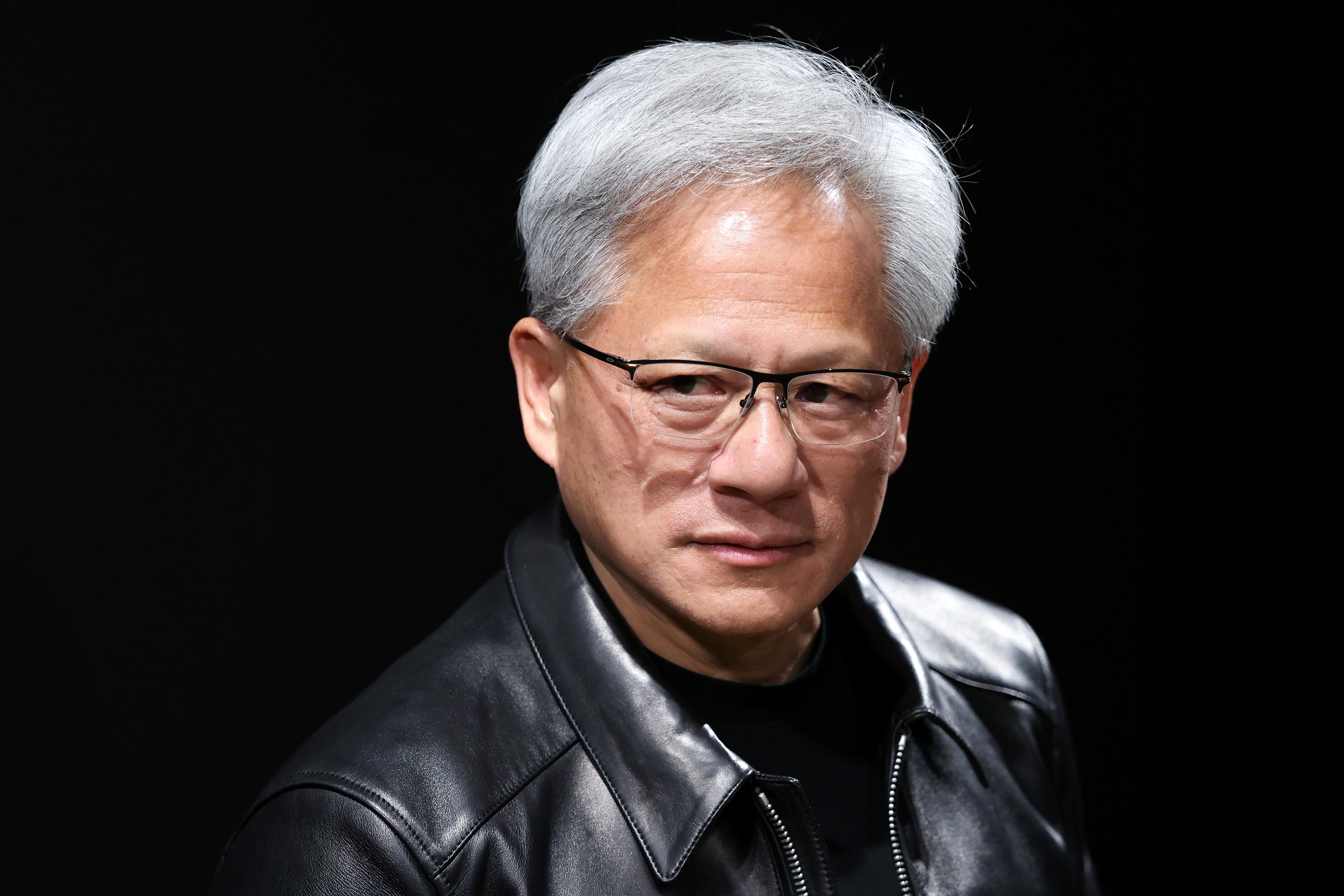
The Verge reports that Nvidia announced an investigation into CEO Jensen Huang's relationship with Alice Huang, an AI executive whom the outlet describes as an agent of the Chinese government. The board of directors is said to have announced the probe, and Huang reportedly sent an internal memo acknowledging the affair.
It is worth separating confirmed facts from framing. The existence of a board investigation and a staff memo is what the coverage asserts; the characterization of Alice Huang is the outlet's description. Details such as the scope of the investigation, any findings, and the company's formal position have not been established in the snippet available, so treat them as open questions.
Why an Nvidia story lands on API teams
Nvidia does not sell LLM API tokens directly to most application developers, but its GPUs and CUDA stack sit underneath a large portion of the cloud capacity that model providers rent. When the company at the center of that supply chain faces a governance shock, the effects travel through pricing, allocation, and roadmap decisions rather than through a single API endpoint.
That makes this a supply-chain risk story more than a product story. Teams that treat model access as a commodity can absorb these shocks; teams that have hard-coded one provider, one region, or one hardware generation feel them first.
Practical steps for teams building on LLM APIs
Keep a provider abstraction layer thin but real. If swapping a model means rewriting prompts, tool schemas, and eval harnesses, you are coupled to more than an API key. Vendor-neutral gateways and OpenAI-compatible interfaces reduce the cost of a switch to hours instead of sprints.
Track dependency concentration the way you track cloud spend. Note which models you call, which regions they run in, and which fallback you have tested. Run periodic failover drills so a routing change is routine rather than an incident.
Finally, watch governance signals at the infrastructure layer. Board investigations and executive disputes rarely change a model's behavior overnight, but they can precede policy shifts, procurement reviews, or regional restrictions that do affect availability.
What to watch next
The useful signals will be concrete: whether the investigation has a stated scope and timeline, whether Nvidia comments publicly beyond the memo, and whether cloud partners or enterprise customers adjust procurement. Any of those could move allocation priorities for GPU capacity.
Until then, avoid treating unverified details as settled. Read the primary memo if you need the exact wording, and keep your own architecture decisions tied to observable API behavior rather than to headlines.
FAQ
Does this affect Nvidia's GPU supply or API pricing right now?
Should developers switch away from Nvidia-backed infrastructure?
How can I reduce exposure to provider-level shocks?
References
Call these models through one gateway
Admesh provides a unified OpenAI-compatible API: one Base URL and one key for Claude, GPT, DeepSeek and more. New accounts get trial credit that never expires.