Microsoft's Voluntary Buyout Strategy and What It Signals for AI-Era Teams
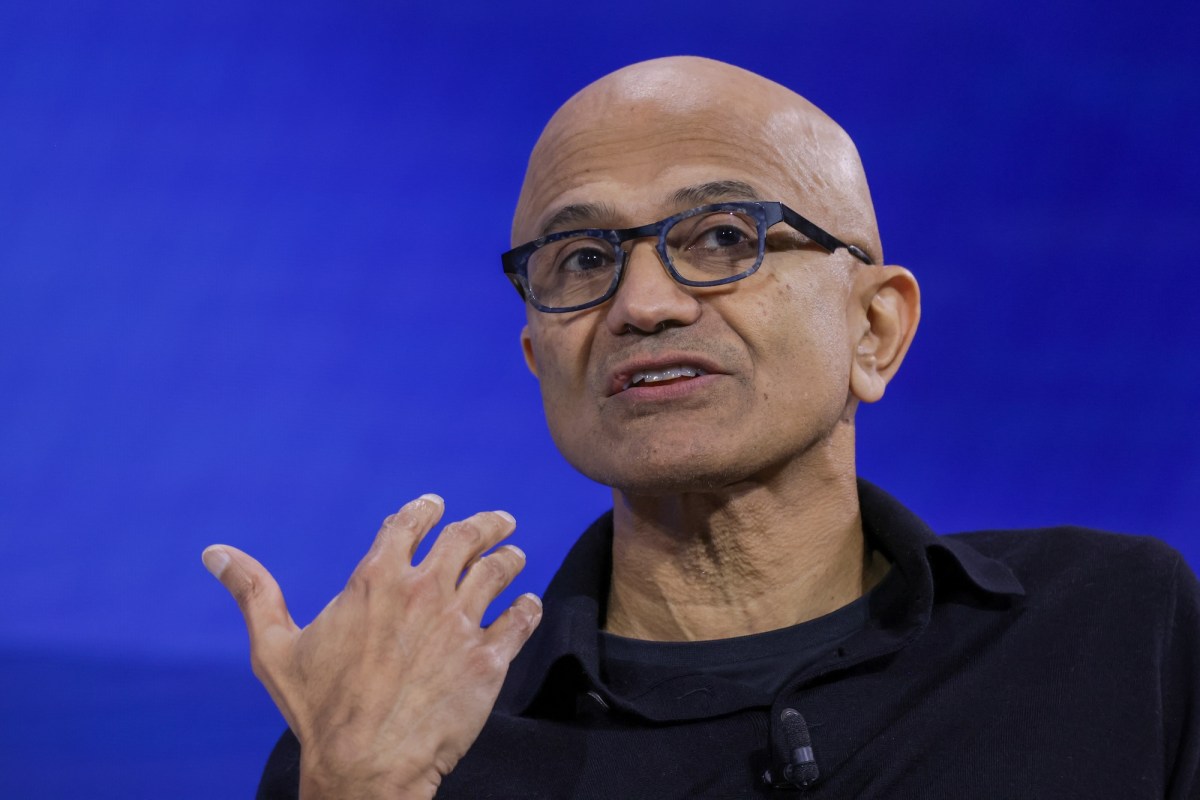
Microsoft reportedly offered buyouts to around 60,000 employees. Here is what Nadella's reasoning suggests for developers building on LLM APIs.
Why a buyout instead of a layoff
The reported logic behind a voluntary buyout is organizational rather than purely financial. A layoff removes specific roles on a fixed timeline; a buyout lets employees self-select, which can shift the mix of skills and teams without the same abrupt disruption. For a company of Microsoft's scale, that distinction matters for morale, for institutional knowledge, and for how remaining teams absorb new tooling.
Nadella is said to have framed AI as the reason, but not as a simple one-for-one substitution. The more defensible reading is that AI changes which roles are expanding, which are contracting, and how quickly teams need to re-skill. A buyout gives the organization room to rebalance while that shift plays out.
The developer-facing takeaway
For teams building on LLM APIs, the signal is less about headcount and more about workflow expectations. When large employers restructure around AI-assisted work, the bar for internal tooling rises: faster prototyping, tighter evaluation loops, and clearer cost visibility per feature. Developers who can show measurable throughput gains from model integration tend to be the ones organizations keep investing in.
Practically, that means treating model calls as production infrastructure. Track latency and spend per endpoint, version prompts like code, and keep a fallback path when a provider degrades. Vendor-neutral abstraction at the API layer makes it easier to swap models as pricing and capability shift, which is exactly the kind of flexibility workforce restructuring tends to reward.
What this does not tell us
Reported comments from a CEO are not a roadmap. The buyout figure and the AI rationale are as reported by TechCrunch, and the specific internal criteria for who was eligible have not been detailed here. Readers should avoid inferring that a fixed number of roles were replaced by automation, or that similar moves are planned elsewhere.
It is also worth separating corporate workforce strategy from product strategy. A buyout decision says little about which models Microsoft will ship or how its API pricing will move. For builders, the durable lesson is about adaptability, not about reading tea leaves from a single announcement.
Building resiliently in a shifting market
If large platform companies are rebalancing teams around AI, expect the surrounding ecosystem, including model providers and tooling vendors, to keep changing quickly. The safest posture for a development team is to avoid deep lock-in on any single provider's proprietary features unless the payoff is clearly worth it.
Keep prompts, evaluation sets, and routing logic in your own codebase. Measure quality against your own tasks rather than leaderboards. That way, when a vendor changes a model, a price, or a deprecation schedule, your product does not have to change with it.
FAQ
Did Microsoft lay off 60,000 employees?
Does this mean AI is replacing those jobs?
How should API developers respond to news like this?
References
Call these models through one gateway
Admesh provides a unified OpenAI-compatible API: one Base URL and one key for Claude, GPT, DeepSeek and more. New accounts get trial credit that never expires.