Democrats Open Second Nvidia Probe as Washington Scrutiny of AI Chips Intensifies
Democratic lawmakers have launched another investigation into Nvidia's China sales and its dealings with the Trump administration, raising new questions for AI
What the investigation reportedly covers
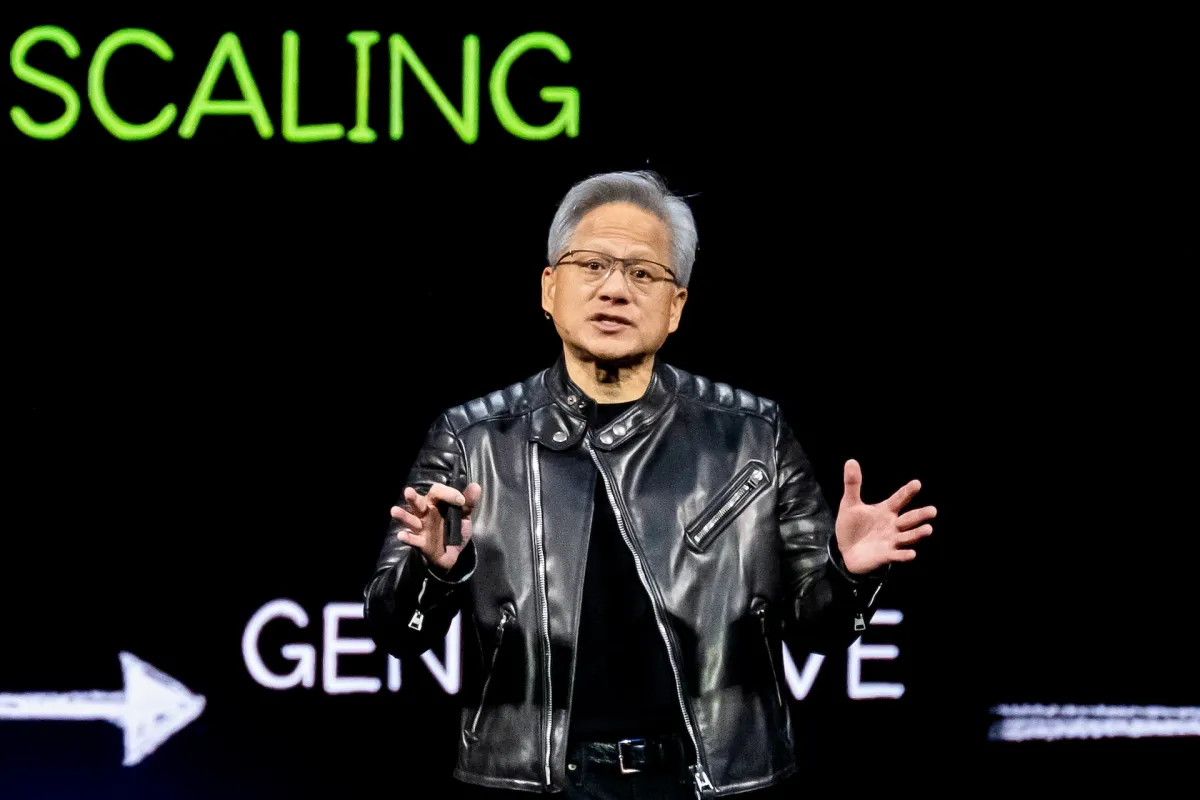
According to TechCrunch, Democratic lawmakers are pursuing a congressional inquiry into Nvidia that touches on two sensitive areas at once: the company's sales into China and its interactions with the Trump administration. The report describes the move as the second investigation of its kind since news of an alleged spy affair broke, suggesting the story has moved from press coverage into formal oversight.
The same report says lawmakers sent a strongly worded letter that characterized dealings between Huang and Trump as a 'scheme.' Details remain thin: the reporting does not identify the committee leading the effort, the specific documents or testimony sought, or any public response from Nvidia or the White House. Those gaps matter, because the practical impact on the company and its customers depends heavily on what is actually being requested and by whom.
Why a chipmaker is now a political story
Nvidia sits at the center of the AI buildout, and its accelerators are the physical substrate for most large-model training and inference. That position has made export controls, licensing decisions, and government relationships board-level issues rather than routine compliance matters. When a company's products are treated as strategic assets, commercial decisions get read through a national-security lens.
The reported letter also signals that oversight is becoming more partisan and more personal, focusing on individual executives and their political ties rather than only on policy outcomes. For observers of the AI supply chain, the key takeaway is that regulatory risk for hardware vendors is no longer confined to export-license rules; it now includes congressional attention to how those vendors engage with the government.
What this means for teams building on LLM APIs
Most application developers never touch a GPU directly, but they inherit the consequences of hardware politics. If scrutiny leads to tighter export rules, new licensing conditions, or delays in approvals, the effects can surface as capacity constraints, regional availability differences, and price movement in hosted inference. None of that is certain here, and the investigation itself may not change any rules, but the direction of travel is toward more volatility at the infrastructure layer.
A vendor-neutral posture is the simplest hedge. That means abstracting model access behind an internal interface so providers can be swapped without rewriting product code, tracking which regions and providers serve which models, and keeping fallback routes for latency- or capacity-sensitive features. Teams that treat model choice as configuration rather than architecture absorb these shocks far more gracefully.
It also pays to watch the compliance side of your own stack. If you route data through providers with exposure to restricted markets, or resell model access, the same regulatory attention that lands on chipmakers can eventually reach downstream services. Documenting where inference actually runs, and under which legal entity, is cheap insurance.
The bigger pattern: oversight is compounding
A second investigation in a short window suggests lawmakers are building a record rather than making a one-off statement. Even if neither probe produces legislation, the letters, hearings, and document requests generate public information that shapes how regulators, investors, and customers view the company. That reputational channel can move markets and procurement decisions before any rule is written.
For the AI ecosystem, the lesson is that the compute layer is now subject to the same kind of sustained political attention once reserved for telecom and defense contractors. Builders should expect periodic headlines of this sort and design their systems and contracts to tolerate them.
What to watch next
The most useful signals will be procedural: which committee is involved, whether subpoenas follow voluntary requests, and whether Nvidia or the administration issues a substantive response. Any movement on China export licensing would be the clearest transmission channel to API pricing and availability. Until then, treat the investigation as reported and unconfirmed in its specifics, and plan for variability rather than a single outcome.
FAQ
Does this investigation directly affect LLM API pricing?
Should developers switch away from Nvidia-based infrastructure?
How reliable are the details of the letter?
References
Call these models through one gateway
Admesh provides a unified OpenAI-compatible API: one Base URL and one key for Claude, GPT, DeepSeek and more. New accounts get trial credit that never expires.