
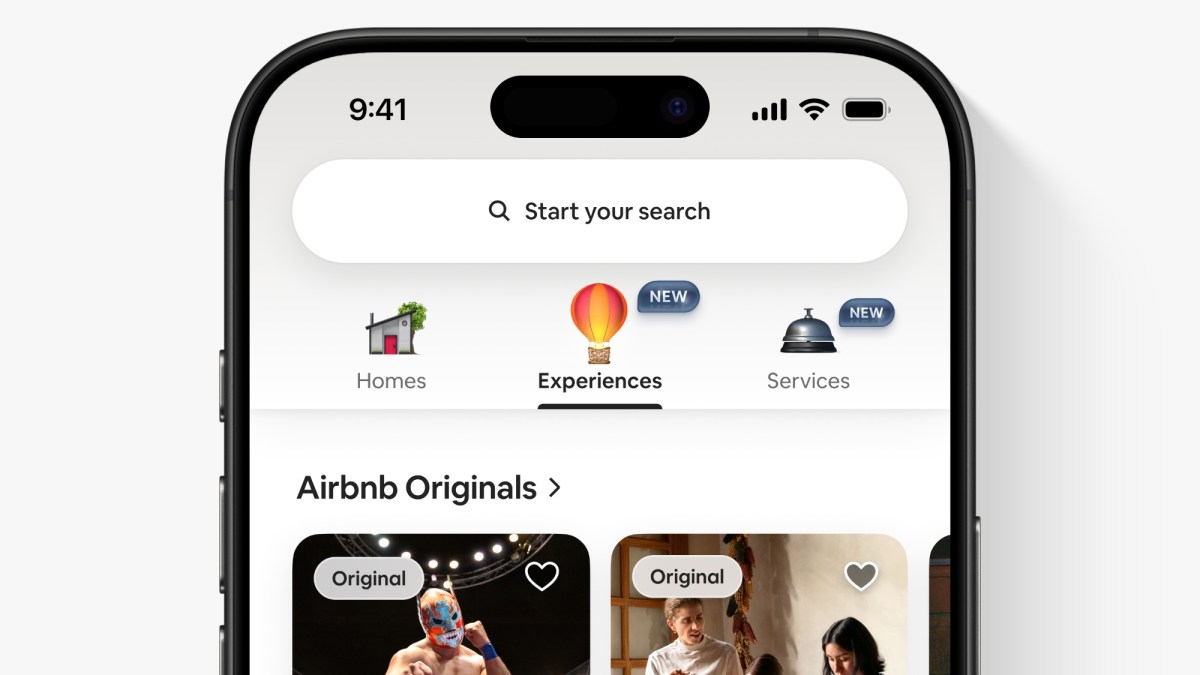
Airbnb's AI Travel Agent Targets 2027: What It Means for LLM Builders
Airbnb reportedly plans an AI travel agent for the first half of 2027, spanning trip planning, booking management, and in-stay support.
What Airbnb is promising, and what it is not
According to TechCrunch, Airbnb has said it will introduce an AI travel agent in the first half of 2027. The described scope is broad: helping travelers plan trips, compare options, manage bookings, and receive assistance during their stay. That is a full lifecycle role rather than a single chat feature bolted onto search.
It is worth separating the announcement from the engineering. The report does not detail which models Airbnb will use, whether the agent will act autonomously or only with user confirmation, or how it will integrate with host-side systems. Treat the timeline and capabilities as stated plans until product details are published.
Why travel is a hard agent benchmark
Travel planning is a multi-step, stateful task. A useful agent has to hold preferences across a long conversation, query inventory, reason about constraints like dates and budgets, and then take actions that have real financial consequences. Each of those steps is a place where an LLM can drift, hallucinate availability, or lose context.
The in-stay assistance piece adds another layer. Support questions during a trip are time-sensitive and often depend on booking records, property rules, and local context. That pushes the system toward retrieval over structured data plus tool calls, not just a general-purpose chat model.
Practical lessons for teams building similar agents
For developers building with LLM APIs, Airbnb's stated scope points to a few design patterns worth adopting early. First, separate planning from execution: let the model propose an itinerary or comparison, but route any booking change through deterministic validation and explicit user confirmation. Second, keep a durable session state outside the model so long conversations do not depend on fitting everything into a context window.
Third, instrument everything. Log tool calls, retrieval results, and model outputs so you can replay failures. If an agent says a listing is available, you want an auditable trace showing which API returned that. Fourth, design for graceful degradation: when a tool fails or confidence is low, hand off to a human or a simpler UI rather than improvising.
Model routing and cost considerations
A lifecycle agent will not use one model for everything. Cheap, fast models are a reasonable fit for intent classification and short replies, while heavier reasoning models may be reserved for multi-step planning. Many teams route requests across providers based on task type, latency targets, and cost, and keep a fallback path when a provider degrades.
That routing layer is also a hedge against lock-in. If your agent's behavior depends on one vendor's quirks, switching becomes expensive. Abstracting prompts and tool schemas behind an internal interface makes it easier to test alternatives as the market shifts before 2027.
What to watch before launch
The interesting questions are less about whether Airbnb ships a chat interface and more about how much autonomy it grants. Will the agent be able to modify or cancel bookings on its own? How will it handle disputes between guests and hosts? What guardrails apply when a model's suggestion conflicts with platform policy?
Answers to those questions will shape expectations for consumer-facing agents generally. For now, the 2027 target is a signal that large platforms see agentic travel as a product category, not a demo.
FAQ
Is Airbnb's AI travel agent available now?
Which AI models will power it?
What can developers learn from this announcement?
References
Call these models through one gateway
Admesh provides a unified OpenAI-compatible API: one Base URL and one key for Claude, GPT, DeepSeek and more. New accounts get trial credit that never expires.