Anthropic Founders Reportedly Cash Out Nearly $2B in Record IPO
Anthropic's reported IPO saw seven founders sell roughly $280M each at $83 per share. Here is what developers building on LLM APIs should take away.
What the report actually says
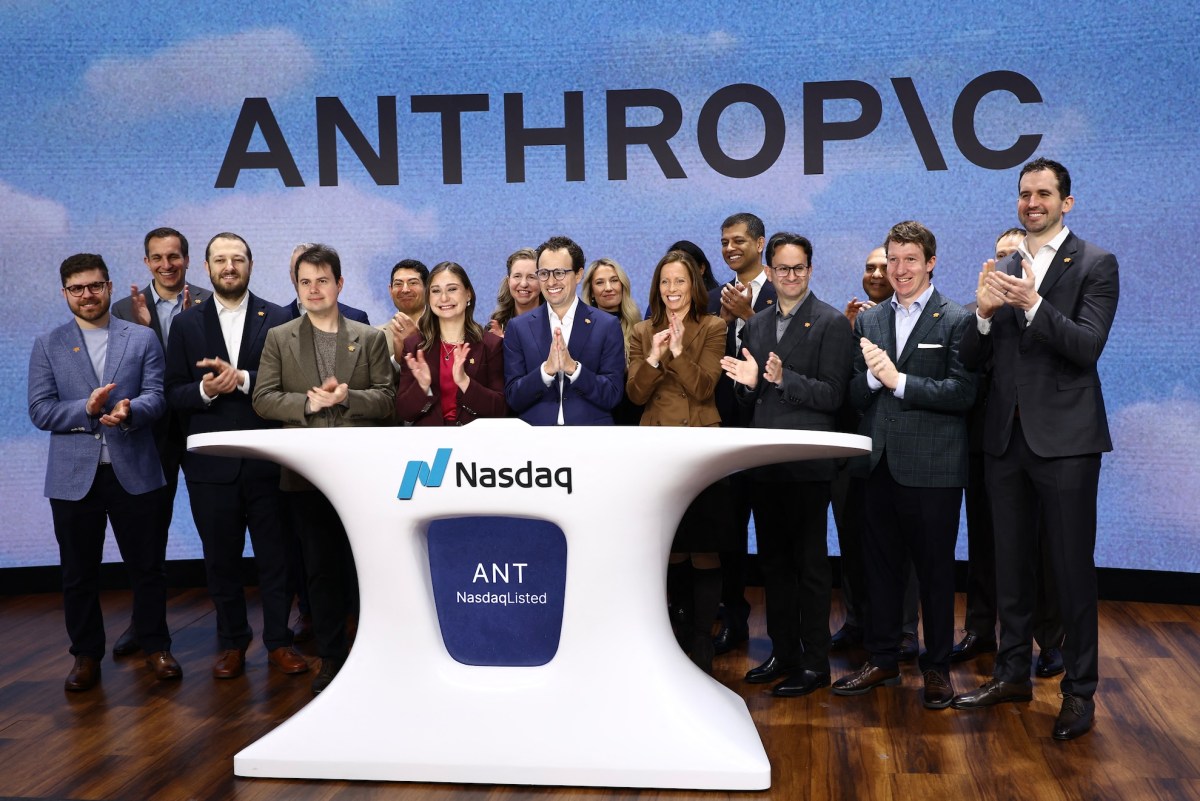
According to TechCrunch, Anthropic went public at an upgraded price of $83 per share. At that level, the outlet reports that each of the company's seven founders sold shares worth roughly $280 million, putting the founders' collective take near $2 billion. The same report states the company itself brought in close to $105 billion.
It is worth separating founder liquidity from corporate proceeds. Founders selling existing shares puts money in their pockets; it does not automatically fund the company's operations. The reported $105 billion figure refers to what the company raised, which is a different bucket of capital. Readers should treat all of these numbers as reported figures rather than audited disclosures, since the details come from a single news source.
Why a public model vendor changes the calculus
When a model provider is private, developers evaluate it mostly on capability, latency, and price. Once that provider is public, a new set of pressures enters the picture: quarterly expectations, investor scrutiny of margins, and a stronger incentive to show durable revenue. Historically, that tends to push API pricing toward more structured tiers and enterprise contracts rather than broad, permanent discounts.
That does not mean prices must rise. It means developers should expect more movement in pricing and packaging than they saw during the private phase. Locking in assumptions about a single vendor's long-term cost curve is risky either way.
The practical case for abstraction
The most useful takeaway for engineering teams is architectural rather than financial. If your product calls one provider directly from dozens of places in your codebase, any change in pricing, rate limits, or model availability becomes a fire drill. Wrapping model calls behind a thin internal interface, or routing through an aggregation layer, keeps that decision reversible.
Concretely, that means normalizing request and response shapes, keeping prompts and evaluation sets in your own repository, and tracking cost and latency per model so you can compare alternatives with data rather than vibes. A provider going public is a good moment to audit how tightly coupled you are.
What to watch next
Developers should watch the disclosures that follow a listing: usage trends, gross margins, and any commentary on enterprise versus developer revenue. Those signals often foreshadow changes to rate limits, deprecation timelines, and tiered access. None of that is confirmed by the current report, so treat it as a watchlist rather than a forecast.
The founder payout headline is a distraction from the operational questions that affect your bill and your uptime. Keep an eye on the boring details.
Частые вопросы
Does this mean Anthropic's API prices will go up?
Should I move my workloads off a single provider?
Are the reported dollar figures verified?
Источники
Вызывайте эти модели через один шлюз
Admesh предоставляет единый API, совместимый с OpenAI: один Base URL и один ключ для Claude, GPT, DeepSeek и других моделей. Новым аккаунтам доступен пробный кредит без срока действия.