
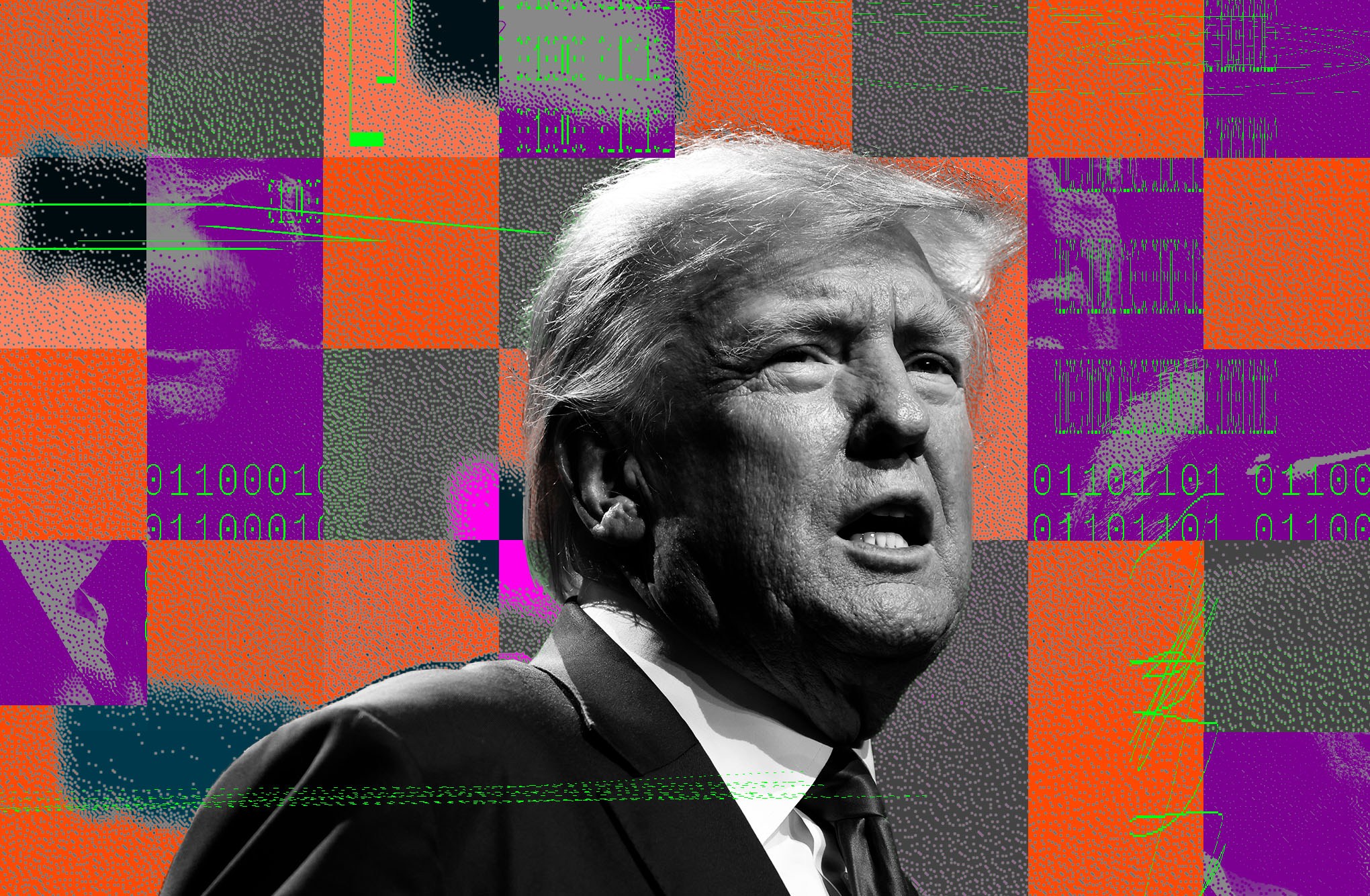
Trump's Data Center Tax Threat: What It Means for AI API Builders
Trump reportedly threatened a 'tremendous tax' on companies building AI data centers abroad. Here's what developers building on LLM APIs should watch.
What was actually said
According to reporting from The Verge, President Trump said his administration would not permit US companies to build data centers outside the country and floated a 'tremendous tax' as the enforcement lever. The statement was made at an event and, as reported, did not come with draft legislation, a rate, or a definition of what counts as building outside the US.
That gap matters. A tax on foreign construction could be structured many ways: a levy on capital spending, a tariff on exported equipment, an excise on compute produced abroad, or a condition attached to federal incentives. Each would hit different parts of the AI stack. Until text exists, treat this as a stated intention rather than a rule developers can plan around.
The domestic squeeze is already real
The more concrete pressure is closer to home. The report notes that states and cities around the country are placing restrictions on new data center applications, often tied to power availability, water use, and local zoning. That means even companies that want to build in the US may face longer permitting timelines and higher energy costs in favored regions.
Put together, the two forces point in an awkward direction: policy rhetoric pushing capacity onshore while local approvals slow it down. For anyone forecasting compute costs, the practical question is not where a company is headquartered but where new gigawatts can actually be permitted and powered.
What this means for LLM API consumers
Most developers building on LLM APIs never touch a data center. They buy tokens from a provider and inherit whatever infrastructure strategy that provider chose. The exposure is indirect but real: if onshoring pressure raises construction and energy costs, some of that can flow into per-token pricing over time, or into tighter rate limits during capacity crunches.
A vendor-neutral hedge is architectural. Keep model access behind a thin abstraction layer so you can switch providers without rewriting prompts, tool schemas, or evaluation harnesses. Track latency and cost per provider rather than assuming a single default. And where your workload allows, prefer stateless request patterns that make failover trivial.
Data residency deserves a second look too. If a tax regime eventually favors US-based capacity, providers may shift where inference runs, which can affect where your prompts and outputs are processed. Teams with contractual residency requirements should ask providers directly about processing locations rather than inferring them from headquarters.
Watch the details, not the headline
Policy statements about taxing data centers are easy to announce and hard to implement, especially when the companies involved operate globally and sell to global customers. The signals worth tracking are concrete: whether a bill is introduced, whether it targets construction, ownership, or compute output, and whether it survives legal challenge.
In the meantime, the local permitting story is the one with immediate teeth. Power procurement and zoning decisions determine when new capacity comes online, and those timelines feed directly into the supply-demand balance that shapes API pricing and availability.
Частые вопросы
Does this tax exist yet?
Will this raise my LLM API costs?
Should I change my architecture because of this?
Источники
Вызывайте эти модели через один шлюз
Admesh предоставляет единый API, совместимый с OpenAI: один Base URL и один ключ для Claude, GPT, DeepSeek и других моделей. Новым аккаунтам доступен пробный кредит без срока действия.